Why an Animal-Based Diet Pairs So Well With Tirzepatide
Protein-forward, animal-based eating is one of the most reliable ways to lose fat and protect muscle. Combined with tirzepatide, it builds the habits that keep weight off after treatment.
Medications like tirzepatide make eating less feel effortless for a while. The question we get most is what to eat during that window, and what will keep the weight off once the appetite quiet fades. For most people, the answer leans hard on protein, and an animal-based diet is one of the simplest ways to get there.
Protein does the heavy lifting
Of the three macronutrients, protein fills you up the most per calorie. In a tightly controlled study, Weigle and colleagues found that people who pushed protein to about 30 percent of their calories ate roughly 440 fewer calories a day on their own, with nobody telling them to cut back, and lost weight over the following weeks [1]. That's the appetite effect of protein working quietly in the background, and it's exactly the kind of change that sticks after you taper a medication.
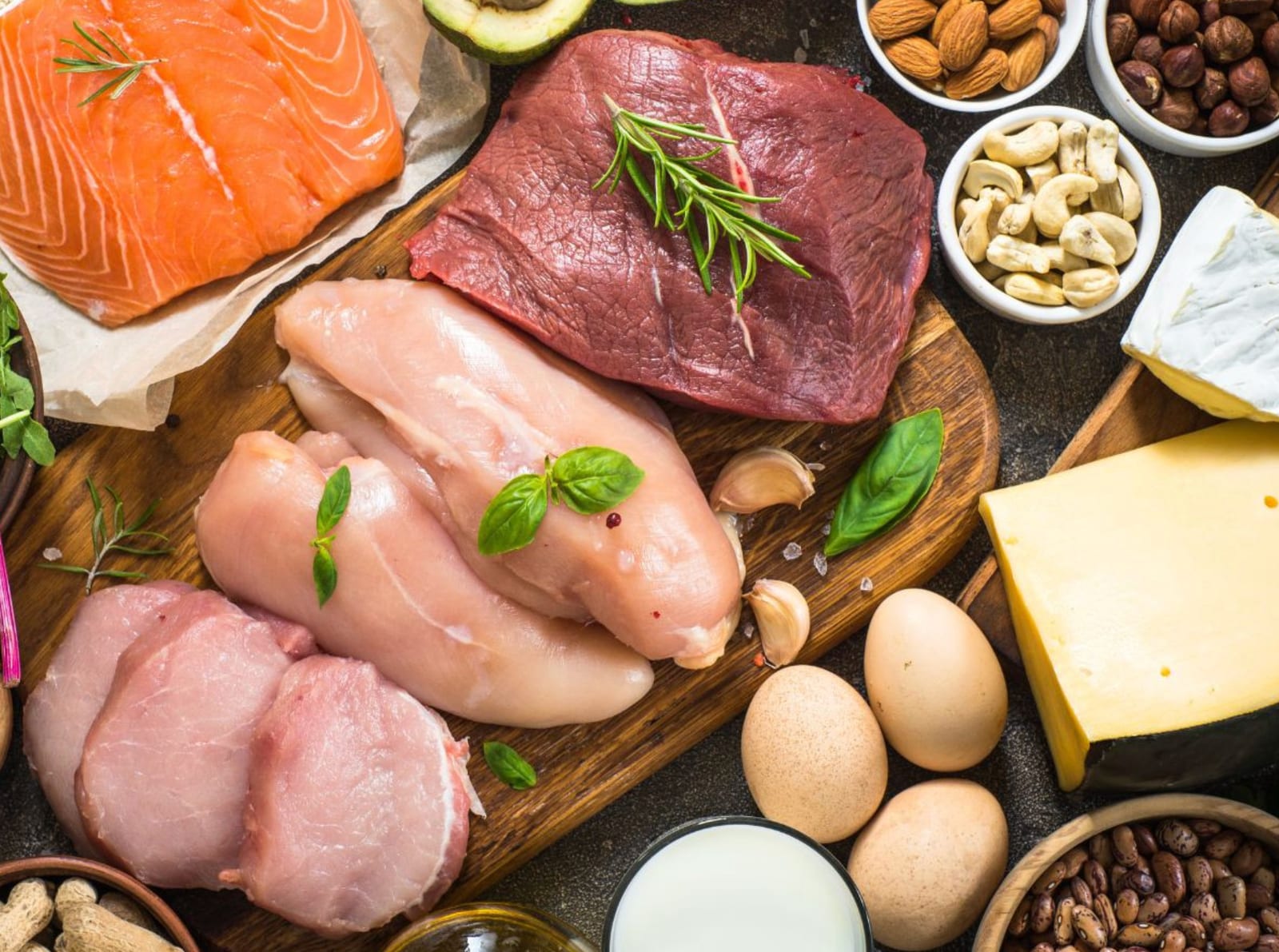
Animal foods (beef, eggs, fish, poultry, dairy) make hitting a high protein target easy. They give you complete protein, all the essential amino acids, plus iron, B12, and other nutrients that are harder to get elsewhere, and they tend to be far less "engineered" than the ultra-processed snacks built to be overeaten.
Losing fat without losing muscle
When you lose weight fast, some of what leaves is muscle, not fat, and muscle is expensive tissue you want to keep. In a meta-analysis of randomized trials, Wycherley and colleagues found that higher-protein diets held onto more lean mass and drove more fat loss than standard-protein diets during calorie restriction [2]. A review by Leidy and colleagues landed in the same place, finding that enough protein is one of the few dietary levers that reliably helps you both lose weight and keep it off [3].
This matters even more on a GLP-1 medication. The appetite suppression is powerful, and it's easy to undereat protein specifically. Keeping it high makes sure the weight you lose is mostly fat.
Building habits in the window that matters
Tirzepatide's effect on appetite isn't permanent, and neither is the weight loss if nothing else changes. In SURMOUNT-4, Aronne and colleagues found that people who stopped treatment regained much of what they'd lost, while those who kept going held steady [4]. The months on medication are your chance to rewire how you eat, to make protein-forward, whole-food meals your default instead of a diet you grind through.
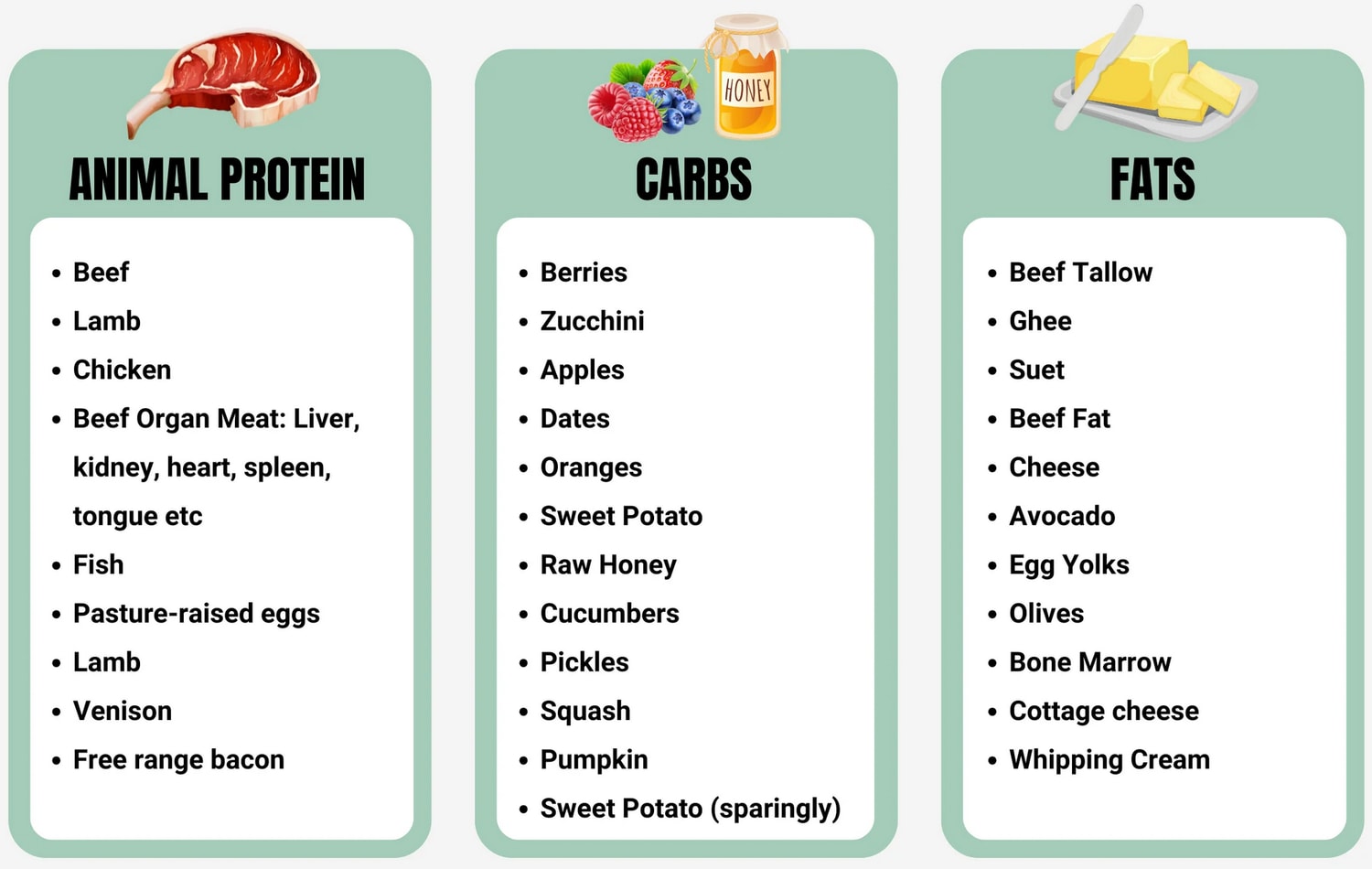
An animal-based pattern keeps it simple, a few eggs, a piece of fish or a steak, some dairy, and whatever vegetables you enjoy alongside. When the medication does less of the work, those habits hold your weight in place.
None of this is one-size-fits-all. Your protein needs and food choices should fit your labs, your kidney health, and your preferences, which is part of what we go over together.
References
- Weigle DS, et al. A high-protein diet induces sustained reductions in appetite, ad libitum caloric intake, and body weight despite compensatory changes in diurnal plasma leptin and ghrelin concentrations. Am J Clin Nutr. 2005. PMID: 16002798
- Wycherley TP, et al. Effects of energy-restricted high-protein, low-fat compared with standard-protein, low-fat diets: a meta-analysis of randomized controlled trials. Am J Clin Nutr. 2012. PMID: 23097268
- Leidy HJ, et al. The role of protein in weight loss and maintenance. Am J Clin Nutr. 2015. PMID: 25926512
- Aronne LJ, et al. Continued treatment with tirzepatide for maintenance of weight reduction in adults with obesity: the SURMOUNT-4 randomized clinical trial. JAMA. 2024. PMID: 38078870